How to Efficiently Ship a Container for Global Trade?
Efficiently shipping a container is crucial for global trade. In the interconnected world of commerce, logistics plays a significant role. Companies must understand the complexities of container shipping. Delay or mishap can lead to financial loss and unmet customer expectations.
Shipping a container involves various steps, including choosing the right carrier and route. It’s vital to consider factors like time, cost, and reliability. Each choice can impact delivery speed and customer satisfaction. A lack of experience can result in errors. Mistakes in documentation or incorrect container loading can lead to delays.
Planning is essential. Businesses often overlook the importance of thorough preparation. Engaging with reliable logistics partners aids in navigating these challenges. Their expertise can streamline processes, ensuring smoother operations. However, many still struggle with understanding their specific needs. This reflection on past experiences can lead to more informed decisions in future container shipments.
Understanding Global Trade and Shipping Containers
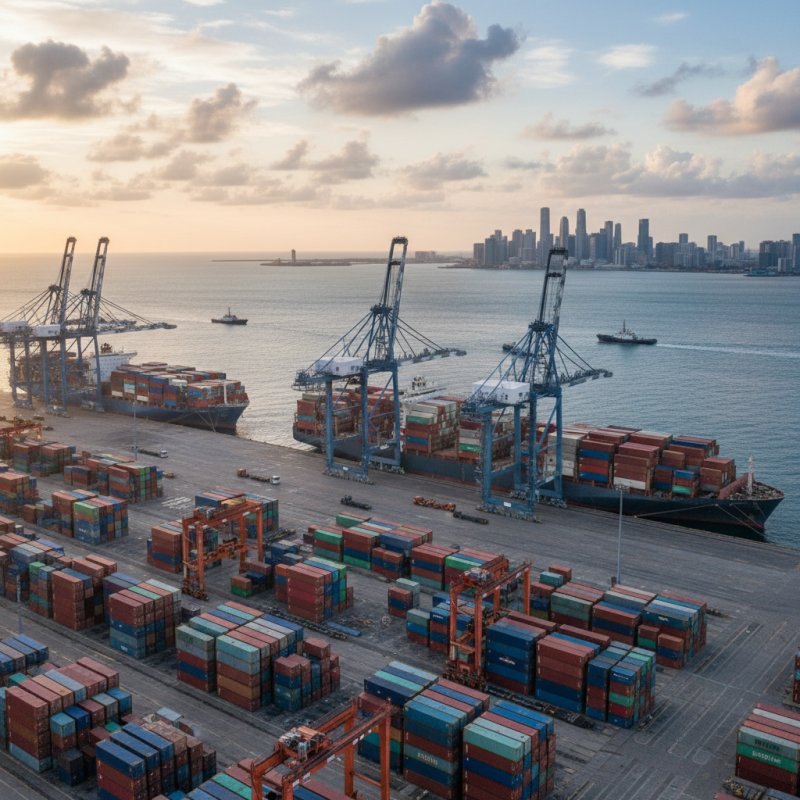
Understanding global trade is essential for businesses shipping containers internationally. In 2022, worldwide container trade surpassed 200 million TEUs, according to the United Nations Conference on Trade and Development (UNCTAD). This immense volume underscores the importance of efficient shipping practices. Delays at ports can cost exporters thousands. Yet, the situation is not always smooth. Factors like congestion and labor strikes frequently disrupt operations.
Shipping containers have standardized dimensions, simplifying logistics. A standard 20-foot container holds about 33 cubic meters of goods. This can reduce costs significantly. However, mismanagement can lead to wasted space and increased expenses. In fact, reports indicate that around 30% of shipping capacity is underutilized at times. Companies must assess their logistics strategies continuously. Adjustments may lead to enhanced efficiency.
Moreover, environmental concerns are growing. The International Maritime Organization (IMO) aims for a 50% reduction in shipping emissions by 2050. Businesses should consider eco-friendly practices. Investing in sustainable options might yield long-term benefits. Yet, the transition can be complex and may involve higher initial costs. Adjusting to these standards takes effort and planning.
Global Trade Container Shipping Trends
Selecting the Right Container Type for Your Cargo
When engaging in global trade, selecting the right container type is crucial. There are various container types, like standard dry vans and refrigerated containers. Each serves different purposes and features unique specifications that cater to different cargo needs. For instance, if you are shipping perishables, a refrigerated container ensures that items stay fresh during transit. On the other hand, dry vans work well for non-perishable goods.
It's important to consider weight and size restrictions. Many containers have a limited weight capacity. Overloading can lead to fines or cargo damage. Choose a container that fits your cargo dimensions well. A mismatch can increase costs and complicate logistics. Focusing on durability is vital too. Some containers can withstand harsh weather, while others may not.
Assessing your specific shipping needs is essential. Reflect on what you’ll be transporting. If your cargo is fragile, special care is needed. It’s worth considering the environment during shipping as well. Some containers are designed with sustainability in mind. Choose wisely, as selecting the right container impacts both your budget and your cargo's safety.
Steps to Prepare Cargo for Container Shipment
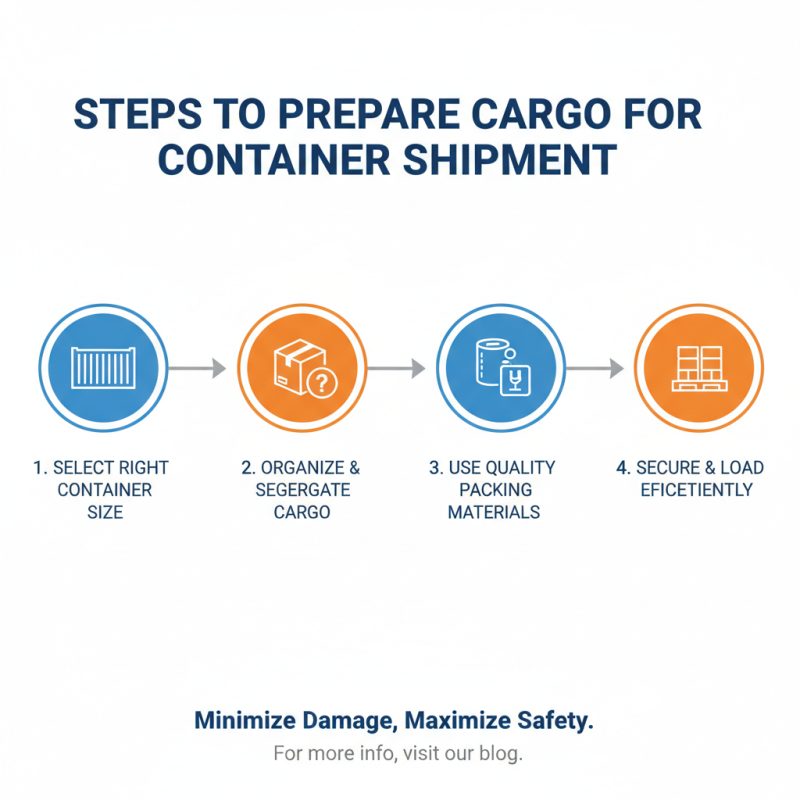
Preparing cargo for container shipment requires attention to detail and organization. Effective packing is essential to ensure your goods arrive safely. Begin by selecting the right container size for your cargo. This minimizes empty space and potential damage during transit. Use high-quality packing materials, such as sturdy boxes and bubble wrap, to protect fragile items.
Tips: Always label your packages clearly. This facilitates easier unloading and customs clearance. It's a small step that saves time and avoids confusion.
Next, secure the cargo inside the container. Proper loading prevents shifting during transport, which can cause damage. Use straps and padding to stabilize your goods. Make sure to distribute weight evenly across the container. This will prevent tipping during transit.
Tips: Document the loading process. Take photos of how cargo is arranged and packed. This can provide evidence in case of disputes or claims.
Finally, ensure all documentation is complete. This includes bills of lading, invoices, and customs forms. Missing paperwork can delay shipments and incur extra costs. Double-check every detail before finalizing your shipment. Rushing this step often leads to errors that could have been avoided.
Navigating Customs Regulations and Documentation Requirements
Navigating customs regulations and documentation is crucial for efficient global shipping. Each country has unique requirements that can complicate the shipping process. According to the World Customs Organization (WCO), about 20% of global trade is delayed due to customs issues. This statistic highlights the importance of understanding the necessary documentation.
Essential documents typically include commercial invoices, packing lists, and certificates of origin. Each document plays a crucial role in customs clearance. Incorrect or incomplete paperwork can result in fines or shipment delays. A study by the International Chamber of Commerce (ICC) found that accurate documentation can reduce clearing time by up to 30%. Despite this, many businesses underestimate the importance of this step.
Traders must be aware of the specific regulations in the destination country. Familiarity with local customs laws can prevent costly mistakes. Often, shipping companies provide guidance, yet it is vital to stay informed. The reliance on third parties can lead to gaps in knowledge. Companies need to invest time in understanding customs processes. This effort not only enhances efficiency but also builds trust with partners in global markets.
Choosing a Reliable Shipping Carrier and Transport Mode
Choosing a reliable shipping carrier is crucial for global trade. A dependable carrier ensures your container arrives safely and on time. Look for carriers with good reputations and positive reviews. Experience matters; choose those with a proven track record in your destination regions. Reliability can be subjective, so gather feedback from other traders.
Consider the transport mode that suits your needs. Ocean freight is cost-effective for larger shipments. For urgent deliveries, air freight is faster but more expensive. Balancing cost and time is essential. Sometimes, a hybrid approach may yield the best results.
**Tips:** Always verify the carrier's credentials. Check for licensing and insurance coverage. Get multiple quotes for cost comparison. This helps avoid hidden fees. Clear communication about your shipments is important too. Confirm pickup and delivery dates. Mistakes can happen; keeping everyone on the same page can prevent delays.
How to Efficiently Ship a Container for Global Trade? - Choosing a Reliable Shipping Carrier and Transport Mode
| Transport Mode |
Average Transit Time |
Cost Efficiency |
Reliability Score (1-10) |
Recommended Carrier Type |
| Ocean Freight |
20-40 days |
Highly Cost-Effective |
8 |
Freight Forwarders |
| Air Freight |
1-7 days |
Expensive |
9 |
Air Cargo Services |
| Rail Freight |
5-15 days |
Moderately Cost-Effective |
7 |
Rail Freight Companies |
| Truck Freight |
1-10 days |
Variable |
8 |
Local Haulers |