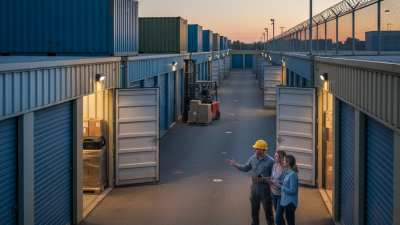
How to Choose Container Storage Units in 2026?
Choosing container storage units in 2026 requires more than comparing prices and exterior dimensions. Supply chains are changing quickly. UNCTAD’s Review of Maritime Transport 2024 reported continued growth in global maritime trade and fleet capacity, increasing demand for flexible storage near ports, warehouses, and construction sites. Container xChange market reports also show that prices and availability can vary sharply by location, condition, and seasonal demand.
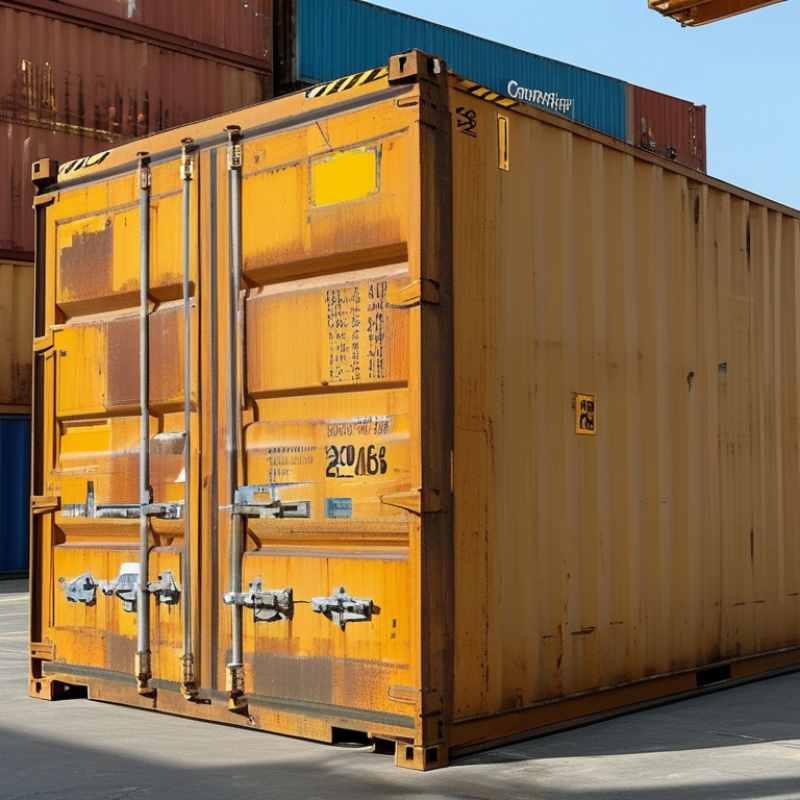
A practical decision starts with the unit’s physical evidence. Check the roof for pinholes, inspect door gaskets, and look for corrosion around corner castings. Measure internal length and width, not only advertised dimensions. A 20-foot unit may suit household equipment, while a 40-foot high-cube model offers extra height for pallets and shelving. Space is never free. Delivery, crane access, ground preparation, ventilation, and future relocation can change the real cost.
Malcom McLean, the containerization pioneer, famously said, “The container made possible the development of a truly global economy.” His insight still matters. A container is both a storage room and a transport asset. ISO specifications, CSC safety markings, locking bars, flooring, and watertight performance deserve careful review. The International Organization for Standardization and the World Shipping Council provide useful technical and safety guidance, but local suppliers remain essential for inspection details.
The cheapest option may become expensive after one rainy season. That is an uncomfortable possibility. This guide will compare purchase and rental costs, security features, access requirements, climate risks, and supplier reliability. It will also question simple assumptions, because a clean-looking container can hide costly repairs.
Define Your Storage Needs, Space, and Access Requirements
Choosing a container storage unit in 2026 starts with an honest inventory, not a container catalogue. List what you will store, its weight, dimensions, moisture sensitivity, and access frequency. A household renovation may require shelves, bicycles, and boxed tools. A small business may need daily access to stock. Measure the largest item and add handling clearance. My first estimate was wrong once; packed boxes left no safe walkway. That mistake taught me to plan usable floor space, not advertised capacity.
Access changes the right unit. If you retrieve items weekly, place the container near a clear vehicle route. Choose doors that open without obstruction. Check turning space, ground firmness, drainage, lighting, and site security procedures. For heavy equipment, confirm floor capacity and loading methods with the provider. A ramp can prevent strain. It cannot fix a narrow entrance. Keep a simple aisle map inside the door, especially when several people share access.
Space around the unit matters too. Leave room for doors, ventilation, inspections, and safe movement. Do not press moisture-sensitive goods against exterior walls. Use raised pallets and breathable covers where suitable. Ask for written details about dimensions, access hours, locks, maintenance, and weather protection. Conditions vary by site, and vague promises deserve careful questions. Recheck your plan after measuring the actual storage area. A slightly larger unit may cost less than repeated moves, but unused space remains an expense.
Compare Container Types, Sizes, Materials, and Security Features
Choosing a container storage unit in 2026 starts with the items, not the advertised price. The 2024 Self Storage Association Demand Study reported 16.7 million U.S. households used self-storage in 2023. That demand makes efficient sizing important. A 10-foot unit suits boxes, tools, and seasonal furniture. A 20-foot unit fits a small household’s contents. A 40-foot unit offers volume, but wasted space can become expensive. High-cube containers add roughly one foot of internal height. They help with shelving, yet loading becomes harder without a plan.
Standard dry containers usually use weather-resistant steel, often with corrosion protection. They suit furniture, equipment, and boxed goods. Insulated or refrigerated units control temperature better, but they require more maintenance and electricity. Open-side designs improve access for long materials. ISO 668 dimensions provide a reliable comparison point, although internal measurements vary after wall lining and door hardware. Measure your largest item twice. People often underestimate door clearance.
Security deserves more attention than a thick padlock. Choose a welded lockbox, protected hinges, secure internal latches, and a door seal without visible gaps. Add ventilation to reduce condensation. For valuable contents, consider lighting, cameras, alarm contacts, and ground anchoring. The United Nations Conference on Trade and Development reported container ships represented about 17% of global fleet capacity in its 2024 maritime review, reflecting how standardized steel units dominate logistics. That does not guarantee local security. A supposedly “secure” site can still have poor lighting or weak access control. Inspect it at night, if possible.
Check Site Conditions, Delivery Access, and Local Regulations
How to Choose Container Storage Units in 2026?
Choosing a container storage unit starts with the site, not the unit itself. Inspect the ground for soft areas, standing water, and uneven surfaces. A loaded unit needs stable support at each corner. Gravel may work, but weak soil can shift after heavy rain. Check drainage before delivery. Also measure wind exposure, nearby trees, and overhead cables. These details affect placement, safety, and long-term maintenance.
Delivery access deserves equal attention. Measure gate width, road clearance, turning space, and overhead height. A delivery truck may need more room than expected. Confirm that the pavement can support its weight. Ask the installer about unloading equipment and required clearance. I have seen plans fail because a narrow bend was ignored. It sounds minor. It is not. Take photographs and record measurements before ordering.
Tips: Contact the local planning, zoning, and fire authorities before signing a rental agreement. Rules may cover setbacks, appearance, drainage, accessibility, and how long a unit can remain onsite. Ask for written guidance, because verbal advice can be misunderstood. Recheck regulations in 2026, especially after local policy changes. Leave space for emergency access and routine inspections. A practical plan may still need revision after a site visit. That is normal, and correcting it early usually costs less than relocating a full container.
Evaluate Costs, Rental Terms, Maintenance, and Insurance
When choosing container storage units in 2026, separate fixed costs from volatile ones. UNCTAD’s Review of Maritime Transport 2024 reported 2.4% maritime trade growth in 2023. Freight movement can still push delivery prices upward. Request a written quote covering transport, ground preparation, permits, taxes, and removal. Then compare the monthly rent, not only the advertised rate.
Read rental terms line by line. Check minimum duration, annual increases, access hours, relocation rights, and early termination fees. Ask who pays for leaks, corrosion, damaged doors, or failed locks. A low monthly price can become expensive after three months. I have seen estimates miss site leveling costs. That mistake is easy to repeat.
Maintenance should include roof checks after storms, seal inspections, ventilation, and rust treatment. Keep items off the floor with pallets. Insurance needs equal attention. Confirm whether the policy covers stored goods, the container itself, theft, flood, fire, and public liability. The NFPA reported 1,388,500 U.S. fires and about $22.2 billion in property damage during 2023. Those figures do not predict your loss, but they challenge casual assumptions. Ask for exclusions, deductibles, valuation rules, and required security measures in writing. A spreadsheet helps, but it cannot inspect a wet corner.
How to Choose Container Storage Units in 2026?
Estimated annual storage budget by container size, including rental, maintenance, and insurance.
Short-term rentals of 1–3 months usually offer flexibility, while 6–12 month terms generally provide more predictable pricing. Confirm minimum rental periods, notice requirements, delivery charges, and pickup fees.
The budget includes a practical annual reserve for door hardware, seals, roof inspections, corrosion control, and minor repairs. A weatherproof site with good drainage can reduce maintenance costs.
Insurance estimates represent annual contents or storage-related coverage. Confirm exclusions for flooding, theft, condensation, wind damage, and customer-owned goods before signing.
Planning benchmark ranges for common U.S. container-storage conditions in 2026. Values are annualized estimates in USD and exclude delivery, site preparation, taxes, permits, and security upgrades. Actual prices vary by location, access, condition, and rental duration.
Choose a Reliable Supplier and Plan the Installation Process
How to Choose Container Storage Units in 2026?
Choosing a reliable supplier starts with evidence, not attractive photos. Ask for material specifications, structural drawings, warranty terms, and recent project references. A dependable supplier should explain steel grade, weather sealing, ventilation, floor loading, and corrosion protection clearly. If answers remain vague, pause the purchase. Cheap units often become expensive after repairs.
Plan the installation before delivery day. Measure the entrance, turning space, ground slope, and overhead clearance. The delivery vehicle may need more room than expected. Prepare a level base with concrete pads or compacted gravel, then confirm drainage around each unit. Standing water causes trouble quickly. Check local requirements for placement, fire access, and anchoring before work begins.
Installation should include a site briefing, lifting plan, and final inspection. Confirm that doors open fully and locks align without force. Check roof seams after the first rain. Record photographs, serial details, and any damage immediately. In one project, the layout looked efficient on paper, but a narrow access lane delayed unloading. We should have tested the vehicle path earlier. Leave working space between units, even when land is limited. A supplier who supports delivery coordination, technical questions, and after-sales adjustments is usually safer than one offering only the lowest price.
Related Posts
-
2026 How to Choose the Best Container Storage Units for Your Needs?
-

Top Container Storage Solutions for Your Business Needs?
-

How to Choose the Right Sea Container for Your Business Needs?
-
How to Choose the Best Shipping Container Storage Units for Your Needs
-

2026 How to Choose the Best Container Solutions for Your Needs?
-
How to Choose the Right Container Storage Units for Your Needs?