What is a Freight Container and How Does It Work?
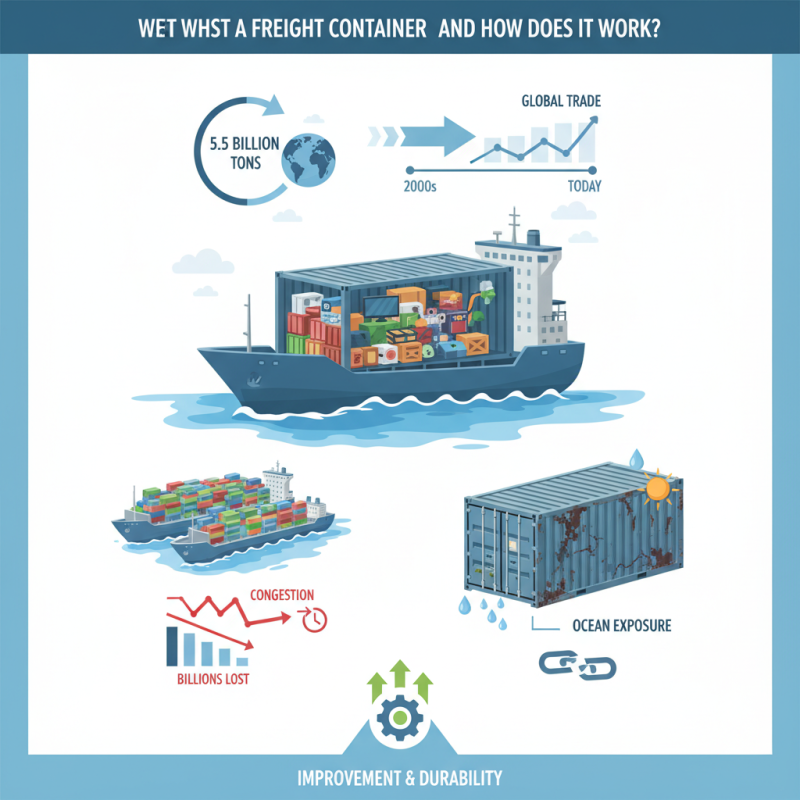
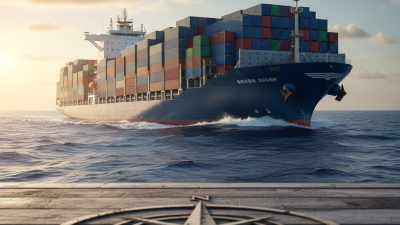
Freight containers play a crucial role in global trade. In 2020, around 5.5 billion tons of goods were transported using containers, showcasing their importance. These sturdy metal boxes enable efficient and secure shipping. They can hold a variety of products, ranging from electronics to food items.
However, despite their advantages, the freight container industry faces challenges. Congestion at ports can delay shipments. A report by the International Maritime Organization indicates that inefficient logistics costs the global economy billions each year. Ensuring timely delivery is vital for businesses and requires continuous improvement.
Moreover, while freight containers are designed for durability, they are not immune to wear and tear. Over time, exposure to ocean conditions can rust and weaken them. Addressing these issues is essential to maintain the integrity of the supply chain.
What is a Freight Container? Definition and Overview
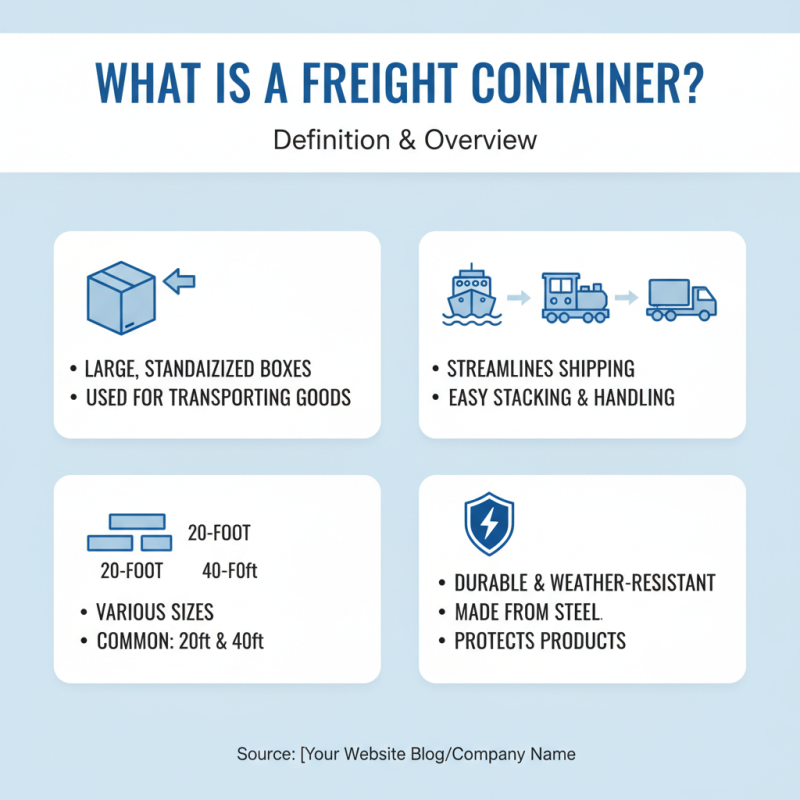
Freight containers are large, standardized boxes used to transport goods. They help streamline the shipping process. These containers come in various sizes, including 20-foot and 40-foot options. Their uniform design allows for easy stacking and handling. Often made from steel, they are durable and weather-resistant. This ensures that products remain safe during transit.
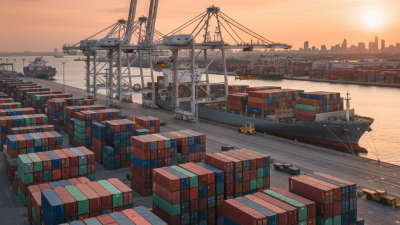
These containers can be loaded onto ships, trucks, and trains. Using cranes, they can be quickly transferred between vehicles. This efficiency reduces loading times and costs. However, not all containers are in perfect condition. Some may show signs of wear and tear. It raises concerns about safety and integrity. Regular inspections are essential to maintain reliability.
Understanding how freight containers work is crucial for shipping logistics. They play a pivotal role in global trade, yet challenges remain. Issues like cargo theft or poor handling practices can arise. Companies must prioritize secure practices to protect their shipments. Each journey carries risks, and awareness can lead to improvements.
Types of Freight Containers: Standard, Refrigerated, and Specialized
Freight containers are essential in global trade. They come in various types, each serving unique needs. Standard containers are the most common. They are designed for general cargo. These containers measure 20 or 40 feet long, providing ample storage space. Their simplicity makes them a reliable choice for many industries.
Refrigerated containers, or reefers, focus on temperature-sensitive goods. This type of container features built-in cooling systems. They are critical for transporting food and pharmaceuticals. These containers maintain specific temperatures. This ensures products remain fresh during transit. However, they require a constant power supply and careful monitoring to avoid spoilage.
Specialized containers cater to specific cargo types. For example, some containers are designed for hazardous materials. Others transport vehicles or oversized goods. Each type has unique features. Yet, they often come with higher costs and regulatory requirements. The wide range of freight containers reflects the complexities of shipping and trade. Each type plays a role in ensuring products reach their destinations safely.
What is a Freight Container and How Does It Work? - Types of Freight Containers: Standard, Refrigerated, and Specialized
| Container Type |
Dimensions (ft) |
Capacity (CBM) |
Key Features |
| Standard Container |
20 x 8 x 8.5 |
33.2 |
Versatile, widely used for general cargo. |
| Refrigerated Container |
20 x 8 x 8.5 |
28.4 |
Temperature-controlled for perishable goods. |
| High Cube Container |
40 x 8 x 9.5 |
67.7 |
Extra height for bulky cargo. |
| Open Top Container |
20 x 8 x 8.5 |
33.2 |
Open top for oversized cargo. |
| Flat Rack Container |
40 x 8 x 8.5 |
67.7 |
Designed for heavy machinery and large items. |
| Tank Container |
20 x 8 x 8.5 |
21.1 |
For transporting liquids and gases. |
Freight Container Specifications: Dimensions and Maximum Loads
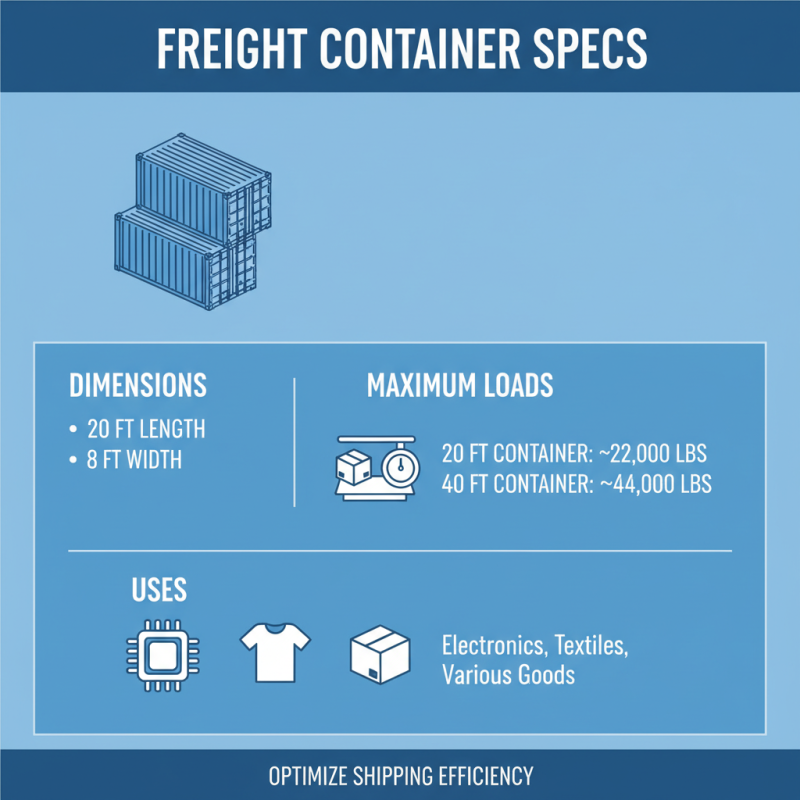
Freight containers serve as vital tools in modern logistics. Understanding their specifications helps optimize shipping efficiency. The standard container measures 20 feet long and 8 feet wide. This configuration allows the shipping of various goods, from electronics to textiles. Maximum payload capacities vary. A standard 20-foot container can carry roughly 22,000 pounds, while a 40-foot container can accommodate about 44,000 pounds.
When considering dimensions, height also matters. The standard height is 8.5 feet, but high-cube containers reach 9.5 feet. This extra height increases volume, allowing more goods to be transported. However, logistics teams must analyze weight distribution to avoid cargo damage. Poor weight management can lead to safety issues during transport.
Container design is practical but not without flaws. For instance, door seals may fail under extreme conditions. Regular inspection is essential to ensure integrity. Additionally, stacking containers requires careful planning. Overestimating weight limits can result in structural damage. Monitoring industry reports reveals that container failures increase due to mishandling. Continuous education about container specifications is crucial for avoiding costly mistakes.
How Freight Containers are Loaded and Unloaded: Industry Practices
When it comes to loading and unloading freight containers, industry practices vary widely. Efficiency and safety are essential. Loading a container requires careful planning. Workers assess the cargo's weight and dimensions. Heavy items go on the bottom. This minimizes the risk of tipping during transport.
Unloading involves an equally systematic approach. Using cranes or forklifts, operators lift containers from the ship or truck. It's critical to ensure the area is clear of obstacles. Miscommunication can lead to accidents. Training is vital. Workers need to be aware of safety protocols.
**Tip:** Always double-check the load plan before starting. Small errors can lead to larger issues down the line.
As containers arrive at ports, the process becomes even more complex. Customs checks and paperwork must be managed promptly. Delays can occur if the documentation is incorrect.
**Tip:** Invest time in training employees. A well-informed team prevents mistakes and enhances overall efficiency.
Even with advanced technology, some inefficiencies remain. The coordination between different teams can sometimes falter. Technology can help, but human oversight is necessary. Reflection is key; evaluating processes routinely can lead to improvements.
The Role of Freight Containers in Global Trade and Supply Chain Efficiency
Freight containers are essential to global trade. These standardized boxes help simplify the shipping process. According to the World Trade Organization, about 90% of the world's merchandise trade relies on containerized transport. This high percentage highlights the container's role in improving supply chain efficiency.
Containers protect goods during transit. They are designed to stack securely on ships, trucks, and trains. This secure stacking minimizes damage and loss. In 2020, the global shipping container market was valued at approximately $8.1 billion. Analysts predict growth to over $10.1 billion by 2027. However, the industry faces challenges. Port congestion and rising shipping costs can disrupt operations. These issues require ongoing reflection and innovation to ensure efficiency.
Transparency in the supply chain is crucial. Freight containers enable tracking of shipments, reducing uncertainty. A study by McKinsey indicates that improved visibility can increase efficiency by 20%. Despite these benefits, not all processes are seamless. Delays due to customs regulations still occur, reminding us of areas needing improvement.