What is an ISO Container and How is it Used in Shipping?
In the world of shipping, the ISO container plays a crucial role. John Smith, a leading expert in container logistics, once said, "ISO containers have transformed global trade." This statement highlights the importance of understanding these containers.
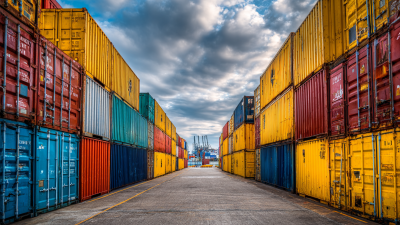
An ISO container is designed to standardize shipping. Measuring 20 or 40 feet, these containers can hold diverse cargo. They protect goods from damage and theft during transit. Many shipping companies rely heavily on ISO containers for efficiency. However, not everyone is aware of their limits.
Cost issues arise when dealing with containers. Maintenance and storage can add up quickly. There are instances where containers are mismanaged, leading to delays. This creates an opportunity for improvement in container logistics. Recognizing these challenges can lead to better practices in the industry.
What is an ISO Container?
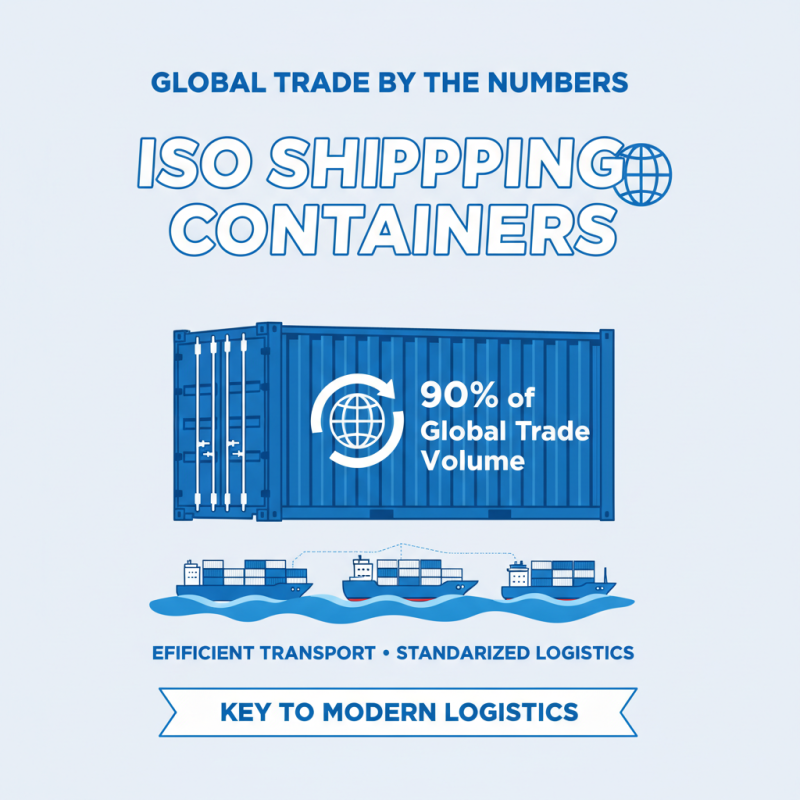
ISO containers, often referred to as shipping containers, play a vital role in global trade. These standardized containers conform to specifications set by the International Organization for Standardization (ISO). They offer a uniform way to transport goods efficiently. According to data, around 90% of global trade by volume involves the use of containers. This statistic highlights their significance in logistics.
These containers come in various sizes, with the 20-foot and 40-foot versions being the most commonly used. They are designed to withstand harsh weather conditions and can stack securely, optimizing space on ships, trains, and trucks. The durability of ISO containers is reflected in the fact that many can last over 25 years. However, not all containers are created equal. Some may develop structural weaknesses over time, leading to potential cargo damage.
Interestingly, the shipping industry is facing challenges. Container shortages have been reported, affecting supply chains globally. The need for efficient tracking and management of these assets is more critical than ever. Real-time tracking systems are gradually being adopted, providing visibility to shippers and reducing loss incidents. Despite these advancements, many companies still rely on outdated tracking methods, leaving opportunities for improvement. The evolution of ISO containers continues, yet there remains much to reflect on regarding their sustainability and future role in shipping logistics.
The Design and Specifications of ISO Containers
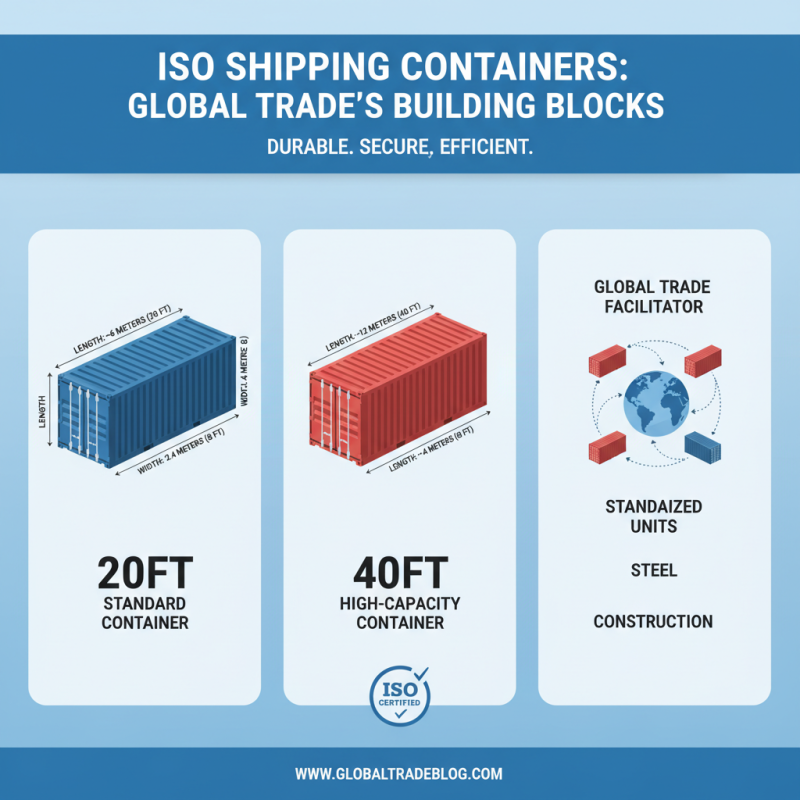
ISO containers are standardized shipping units that facilitate global trade. These containers are designed to be durable, secure, and efficient. Typically made of steel, their dimensions are crucial for transport handling. A standard 20-foot container measures about 6 meters in length and 2.4 meters in width. A 40-foot container is double that size, allowing for more substantial cargo movements.
The specifications align with ISO standards to ensure interoperability. This includes specifications like weight limits. The standard maximum gross weight for a 20-foot container is around 24,000 kilograms. Conversely, a 40-foot container can carry up to 30,480 kilograms. This standardization simplifies logistics and reduces costs. A report from the International Maritime Organization emphasizes that over 90% of global goods are transported via shipping containers.
**Tip:** Regularly inspect your ISO containers for structural integrity. Small dents or rust can lead to bigger problems down the line.
While ISO containers are effective, some challenges arise. An estimated 25% of containers are not in use at any given time. This inefficiency represents a significant cost burden to carriers. They are often found sitting idle at ports or warehouses. Therefore, reevaluating container usage can be beneficial. Implementing better tracking technologies could help optimize usage and reduce waste.
**Tip:** Consider using container management software to monitor utilization. This can help identify underused assets and save costs.
Types of ISO Containers Used in Shipping
ISO containers, also known as intermodal containers, are standardized shipping units. They facilitate the transport of goods across various modes of transport, such as ships, trucks, and trains. In the shipping industry, there are several types of ISO containers, each designed for specific cargo needs.
The most common type is the dry cargo container. These containers come in 20-foot and 40-foot lengths. They are suitable for general cargo and non-perishable goods. According to industry reports, around 90% of the world’s traded goods are transported in dry containers. Temperature-controlled containers, or reefer containers, are crucial for transporting perishable items like food and medicine. They maintain specific temperatures and can be adjusted for various products.
Another type is the open top container, which has no roof. This design allows for the loading of oversized cargo that cannot fit through standard openings. Tank containers are also noteworthy; they hold liquids, chemicals, or gases. Each type of container plays a vital role in the global supply chain.
Tips: Always check the specifications before shipping. Ensure your cargo matches the container type. Avoid overloading; it can damage the container and disrupt shipping schedules. Consider the potential for delays. Plan your shipments accordingly.
The Role of ISO Containers in Global Trade Logistics
ISO containers play a critical role in global trade logistics. According to a report by the United Nations Conference on Trade and Development, over 90% of the world's cargo is transported by sea, and ISO containers facilitate this process. These standard-sized containers allow for efficient loading, unloading, and transport of goods.
The versatility of ISO containers is evident. They standardize shipping, enabling interoperability among different transport modes, from ships to trucks to trains. In 2021, the global container shipping market was valued at approximately $6.7 billion. However, challenges exist. Container shortages, due to increased demand and supply chain disruptions, have affected shipping operations. This reflects a fragility in the global logistics network.
Additionally, the environmental impact of container shipping raises questions. Shipping emits significant greenhouse gases. The International Maritime Organization aims to reduce emissions by at least 50% by 2050. While ISO containers streamline logistics, the industry must address sustainability. Innovations in container design and alternative fuels are needed to ensure the future of shipping doesn’t harm the planet.
ISO Container Usage in Global Shipping (2023)
This chart illustrates the distribution of various types of ISO containers used in global shipping as of 2023. The dry container type dominates the market with approximately 2.2 million units, followed by reefer containers, which are essential for transporting temperature-sensitive goods. Other types such as open top, flat rack, and tank containers represent a smaller proportion of the overall container usage, highlighting the diverse needs of global trade logistics.
Benefits of Using ISO Containers in Shipping Operations
ISO containers play a vital role in modern shipping. Their standard dimensions allow for easy stacking and handling. This uniformity simplifies loading and unloading processes. Ports and ships are designed specifically for these containers. This efficiency boosts turnaround times significantly.
Using ISO containers also enhances cargo safety. They are built from durable materials, capable of withstanding harsh conditions. However, improper packing can still lead to damage. Regular inspections are necessary to maintain container integrity. Shipping companies must pay attention to this detail. It can save costs in the long run.
Additionally, ISO containers support sustainability. They optimize space during transport, reducing carbon emissions. However, not all containers are reused efficiently. Some end up neglected in yards. Finding better ways to repurpose these containers is essential. Embracing innovation in this area could lead to improved practices in shipping.
What is an ISO Container and How is it Used in Shipping? - Benefits of Using ISO Containers in Shipping Operations
| Container Type |
Dimensions (L x W x H) |
Weight Capacity |
Typical Use |
Benefits |
| 20ft Standard |
6.058m x 2.438m x 2.591m |
22,000 kg |
General cargo |
Cost-effective, easily transportable |
| 40ft High Cube |
12.192m x 2.438m x 2.896m |
30,480 kg |
Bulk cargo, oversized items |
Increased volume, versatile usage |
| 40ft Standard |
12.192m x 2.438m x 2.591m |
27,500 kg |
General cargo |
Widely available, flexible loading options |
| Reefer Container |
20ft & 40ft options |
Varies |
Temperature-sensitive goods |
Controlled environment for perishables |
| Tank Container |
20ft |
Up to 26,000 liters |
Liquid cargo |
Safe transport of hazardous liquids |