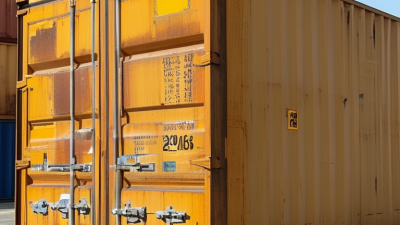
China Top 10 Sea Container Storage Suppliers
China’s sea container storage sector supports global logistics, construction, agriculture, and industrial projects. Demand is growing as supply chains require safer, faster, and more flexible equipment. UNCTAD’s Review of Maritime Transport 2024 reports that global container port throughput remained above 850 million TEU in 2023. That scale creates constant demand for reliable container yards, inspection services, and practical storage units.
This article introduces China’s top 10 sea container storage suppliers through a buyer-focused lens. The evaluation considers manufacturing experience, ISO 668 dimensional consistency, CSC safety documentation, corrosion protection, flooring strength, customization, delivery capacity, and after-sales support. Drewry’s Container Census and Container xChange market reports also show why container availability, repositioning, and equipment condition influence total logistics costs. A supplier near a major port may reduce inland transport time. A supplier with documented refurbishment procedures may offer better value than the lowest-price factory.
Details matter. A buyer should check door seals, corner castings, roof panels, floor repairs, and inspection records. One missing document can delay deployment. One poorly repaired corner can weaken safe stacking.
Rankings are never absolute. Prices, lead times, export destinations, and product specifications change frequently. Some suppliers publish strong factory information but limited performance evidence. Others have fewer online materials yet provide responsive technical support. This guide therefore combines reported market information with practical purchasing criteria, while encouraging readers to verify certifications, production capacity, warranty terms, and recent customer references before making a final decision. A container is not merely a steel box. It is working infrastructure.
What Are Sea Container Storage Suppliers in China?
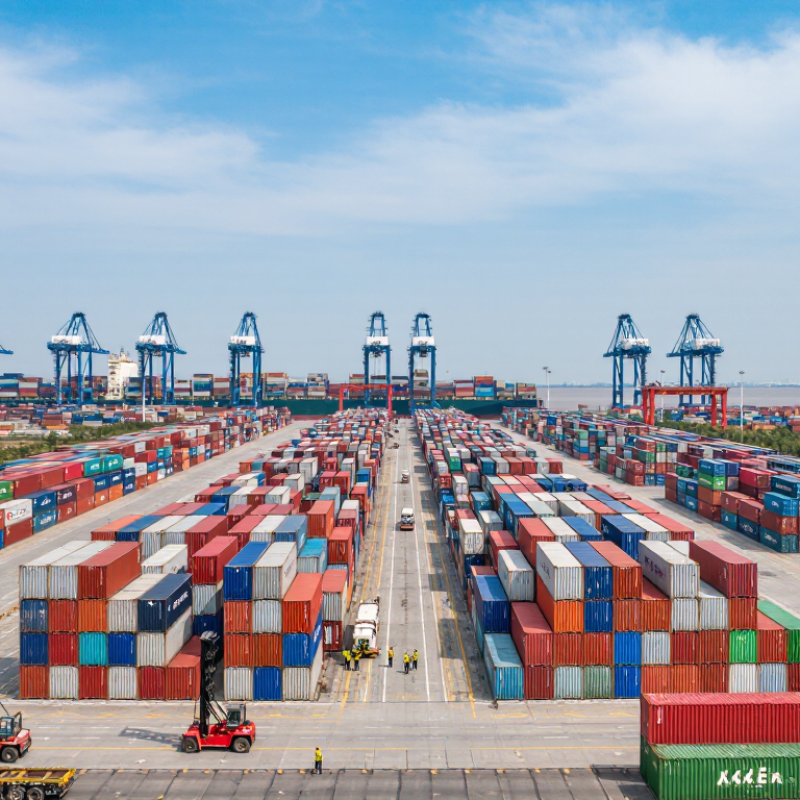
Sea container storage suppliers in China are service companies that keep, handle, inspect, and maintain shipping containers. They usually operate yards near ports, manufacturing zones, rail terminals, or inland logistics parks. Their work may include empty-container storage, gate-in and gate-out records, cleaning, minor repairs, and reefer power connections.
The term is broader than it sounds. Some suppliers mainly rent yard space. Others manage complete depot operations for exporters, freight forwarders, and shipping agencies. A reliable supplier should provide container photos, seal records, damage reports, and clear release procedures. Staff should check corner castings, doors, flooring, and the CSC safety plate before dispatch. Small details matter here.
China’s scale explains the demand. UNCTAD’s Review of Maritime Transport reports that maritime shipping carries over 80% of global merchandise trade by volume. China’s Ministry of Transport recorded roughly 296 million TEUs in port container throughput during 2023. This creates constant pressure on storage yards, especially before holidays and export peaks.
In practical sourcing, buyers should compare usable capacity, truck access, handling equipment, insurance, and response time. Cheap space can become expensive when records are weak or containers sit in mud. I still find the category imperfect, because “storage supplier” may describe a yard operator, a depot manager, or a broader logistics contractor. That distinction deserves careful checking.
How to Evaluate and Rank China’s Top 10 Suppliers
To evaluate China’s top 10 sea container storage suppliers, begin with verified production experience. Review factory history, annual output, export markets, and completed projects. A supplier with ten years of records may still have weak recent quality. Check current evidence.
Product quality should carry the greatest weight. Inspect container dimensions, corner castings, door seals, floor strength, welding lines, and corrosion protection. Request material certificates and independent load-test reports. A sample inspection can reveal uneven paint, rough welds, or doors that fail to close smoothly. Confirm that designs meet recognized international shipping and storage requirements. Do not rely only on catalogue photographs.
Rank suppliers through a weighted scorecard. Quality and compliance might receive 35 percent, while delivery reliability receives 20 percent. Give 15 percent to customization, 15 percent to after-sales support, and 15 percent to total cost. Ask for production schedules, packing photographs, warranty terms, and references from comparable buyers. An on-site audit adds useful confidence, but it is not perfect. Factory visits can show prepared areas rather than normal operations. Currency changes, port congestion, and steel prices can also affect the final ranking. A lower quotation may hide thinner materials or weaker service. Recheck all claims before signing.
Profiles of China’s Top 10 Sea Container Storage Suppliers
China’s sea container storage sector includes ten leading supplier profiles, each serving different operational needs.
The comparison should examine yard capacity, lifting equipment, maintenance records, safety procedures, and location.
The first supplier focuses on standard dry-container yards near major ports. It offers paved ground, drainage channels, stacked storage, and scheduled inspections. Another serves refrigerated containers, with shore power, temperature checks, and backup generators. These details matter during humid summers.
A third supplier specializes in short-term storage for exporters, with flexible daily pricing and rapid gate appointments. A fourth handles damaged units and provides welding, repainting, door-seal replacement, and floor repairs.
Two larger operators combine storage with trucking coordination, customs-area access, and digital inventory records. Their systems can show a container’s bay, condition, and movement history.
However, software quality varies. A modern dashboard does not guarantee accurate yard work.
Not always.
The remaining four profiles cover regional depots, inland rail-linked facilities, high-security storage yards, and smaller repair-led businesses. Regional depots may reduce port congestion but often have fewer lifting machines. Rail-linked yards can improve inland delivery planning, although schedules remain uneven.
Security depends on lighting, fencing, cameras, and trained gate staff, not slogans.
Buyers should verify insurance terms, inspection frequency, emergency plans, and actual response times before signing storage agreements.
Products and Services Offered by Leading Suppliers
China’s leading sea container storage suppliers offer more than fenced yards. Their portfolios usually include new and used dry containers, refrigerated units, open-top containers, and flat-rack equipment. Some facilities provide short-term storage, container leasing, gate-in and gate-out handling, cleaning, inspection, and certified repairs. A practical inspection checks door seals, floor damage, corner castings, and refrigeration performance.
UNCTAD reports that over 80% of global merchandise trade by volume moves by sea. This scale creates strong demand for reliable container availability near ports, factories, and inland terminals. Leading suppliers therefore combine depot storage with trucking coordination, inventory tracking, and digital booking tools. The World Bank’s Logistics Performance Index 2023 emphasizes infrastructure, shipment tracking, and delivery timeliness. These services directly support those performance needs.
Cold-chain customers may require temperature monitoring, pre-trip inspections, emergency power, and alarm records. Industrial users often need modified units, secure access, and flexible storage periods. Compliance documentation matters too, especially for equipment movement across borders. Yet low prices can hide weak maintenance or slow release procedures. That assumption is convenient, but incomplete. Buyers should compare inspection records, average gate times, damage claims, and response hours. Even experienced procurement teams sometimes overlook yard drainage and backup power. A container may look sound outside. Inside, moisture can tell another story.
China Top 10 Sea Container Storage Suppliers: Products and Services
The chart compares approximate internal storage volume across commonly supplied ISO container formats. Standard services in this sector typically include container storage, handling and transportation coordination, inspection, cleaning, repair, reefer monitoring, and specialized storage for hazardous cargo. Actual dimensions may vary slightly by manufacturer and container specification.
How to Choose the Right Chinese Container Storage Supplier
China Top 10 Sea Container Storage Suppliers
How to Choose the Right Chinese Container Storage Supplier
Choosing a Chinese container storage supplier requires more than comparing prices. Check storage capacity, yard access, handling equipment, and experience with international cargo. A reliable supplier should provide clear inventory records, dated inspection photos, and written responsibility for damage. Ask how containers are protected from standing water, rust, unauthorized access, and rough handling. These details reveal operational quality.
Request business credentials, relevant quality certificates, insurance information, and customer references. Confirm whether the supplier can support your required container types, storage period, and pickup schedule. A professional team should explain fees clearly, including loading, unloading, inspection, repair, and transport coordination. Visit the facility when possible. Look at drainage, pavement, lighting, security controls, and equipment maintenance. A polished website proves little.
Tips: Compare at least three written quotations. Test response speed with specific questions. Ask for a sample storage agreement before payment. Confirm inspection standards and claim procedures in writing. Do not choose solely by the lowest price. I have seen simple communication gaps create expensive delays, and even a careful checklist cannot predict every problem. Leave room for review. A supplier that admits limitations may be more dependable than one promising everything. Keep records of container numbers, condition, dates, and photographs throughout the storage period.
China Top 10 Sea Container Storage Suppliers - How to Choose the Right Chinese Container Storage Supplier
| Rank | Supplier Profile | Primary Storage Capability | Supported Container Types | Typical Storage Location | Handling Equipment | Security and Yard Management | Key Documents to Request | Typical Quote Turnaround | Best Fit |
|---|---|---|---|---|---|---|---|---|---|
| 1 | Supplier Profile 01 | Large-volume yard storage Long-term and short-term container parking with planned yard allocation. |
20-foot, 40-foot, and 40-foot high-cube dry containers; reefer storage subject to power availability. | Dedicated logistics park near a major seaport or intermodal terminal. | Reach stackers, terminal tractors, forklifts, weighbridge, and container chassis. | Perimeter fencing, gate control, CCTV, lighting, container inspection records, and electronic inventory tracking. | Business license, yard address, insurance certificate, handling tariff, storage tariff, and operating rules. | 1–2 business days for a standard request. | Importers and exporters requiring regular monthly capacity. |
| 2 | Supplier Profile 02 | Port-adjacent storage Fast access for containers awaiting vessel loading, customs clearance, or onward trucking. |
Standard dry containers, high-cube containers, and selected special equipment. | Within approximately 10–30 km of a coastal port area. | Reach stacker, empty-container handler, forklifts, and truck loading equipment. | 24-hour gate service, CCTV, seal verification, yard map, and arrival/departure logs. | Yard license, port access information, service scope, rate sheet, and liability terms. | Same day to 2 business days. | Time-sensitive port movements and transshipment support. |
| 3 | Supplier Profile 03 | Empty container depot Empty receiving, storage, inspection, cleaning, minor repair, and release services. |
20-foot and 40-foot dry containers; selected reefers and special containers by prior arrangement. | Inland depot or freight corridor connected to ports by road or rail. | Empty-container handler, forklift, inspection platform, washing equipment, and repair tools. | Condition reports, damage photos, release authorization controls, and segregated storage zones. | Depot operating license, inspection checklist, repair price list, cleaning standard, and insurance terms. | 1–3 business days. | Leasing companies, shipping operators, and frequent empty repositioning. |
| 4 | Supplier Profile 04 | Inland intermodal storage Container holding with coordinated rail, truck, and port transfer services. |
20-foot, 40-foot, 40-foot high-cube, and selected tank containers. | Rail-connected logistics hub or inland dry port. | Rail-mounted equipment, reach stackers, container chassis, forklifts, and weighbridge. | Rail gate records, truck appointment system, CCTV, GPS-linked dispatch, and inventory reconciliation. | Intermodal service agreement, rail schedule, storage terms, handling rates, and cargo liability policy. | 2–4 business days for multimodal planning. | Manufacturers and freight forwarders using rail-linked routes. |
| 5 | Supplier Profile 05 | Reefer-capable storage Powered parking, temperature monitoring, plug-in management, and reefer inspections. |
Refrigerated containers, dry containers, and high-cube containers; plug capacity must be confirmed. | Cold-chain logistics park near a port, food-processing zone, or distribution center. | Reefer power points, backup generator, temperature monitoring, reach stacker, and maintenance tools. | Alarm records, temperature logs, generator testing, restricted access, and emergency response procedures. | Power capacity statement, reefer service tariff, temperature-control procedure, insurance, and emergency plan. | 2–5 business days after technical confirmation. | Food, pharmaceutical, chemical, and other temperature-sensitive cargo operations. |
| 6 | Supplier Profile 06 | Container maintenance yard Storage combined with inspection, cleaning, repainting, welding, and structural repair. |
Dry containers, high-cube containers, open-top containers, flat racks, and selected special equipment. | Industrial estate with workshop access and heavy-vehicle roads. | Reach stacker, overhead crane, welding equipment, spray-paint area, forklifts, and inspection tools. | Work-order tracking, before-and-after photos, controlled repair area, fire protection, and access logs. | Repair qualification details, workshop safety documents, rate card, material specifications, and warranty terms. | 2–5 business days depending on repair scope. | Owners needing refurbishment or corrective maintenance before deployment. |
| 7 | Supplier Profile 07 | Flexible overflow yard Short-term storage for seasonal peaks, project cargo, and unexpected port congestion. |
20-foot, 40-foot, and 40-foot high-cube dry containers. | Commercial yard outside the main port zone with road access. | Mobile crane or reach stacker, forklifts, truck scale, and basic loading equipment. | Fenced yard, scheduled gate access, manual inventory records, CCTV, and daily stock reports. | Site lease or operating permit, storage conditions, access schedule, rate sheet, and insurance certificate. | Same day to 3 business days, subject to available space. | Businesses needing temporary capacity without a long-term commitment. |
| 8 | Supplier Profile 08 | Project cargo storage Controlled storage for oversized equipment, special containers, and industrial shipments. |
Flat racks, open tops, platform containers, standard dry containers, and project-specific equipment. | Heavy-haul logistics base with reinforced pavement and wide turning areas. | Mobile cranes, heavy forklifts, low-bed trailers, lifting accessories, and weighbridge. | Lift plans, method statements, access control, cargo condition reports, and incident documentation. | Site capacity plan, lifting certificates, safety procedures, insurance, and project handling quotation. | 3–7 business days after cargo dimensions are provided. | Construction, energy, machinery, and oversized industrial shipments. |
| 9 | Supplier Profile 09 | Customs-bonded storage Storage for cargo subject to customs supervision, clearance, inspection, or release procedures. |
Dry containers, high-cube containers, reefer containers, and selected special equipment. | Bonded logistics zone, free-trade zone, or customs-supervised industrial park. | Reach stackers, forklifts, inspection platform, weighbridge, and customs inspection support equipment. | Customs-compliant access records, sealed-area controls, CCTV, inventory reporting, and document matching. | Bonded facility qualification, customs procedures, storage contract, tariff schedule, and liability terms. | 3–7 business days depending on customs requirements. | Importers requiring controlled storage before customs release. |
| 10 | Supplier Profile 10 | Small and medium-volume depot Cost-effective storage for limited container quantities with basic handling services. |
20-foot and 40-foot dry containers; other types subject to equipment availability. | Regional logistics yard serving a local manufacturing or trading cluster. | Forklifts, small reach stacker, container chassis, and contracted heavy-lift equipment. | Fencing, gate register, basic CCTV, manual stock checks, and container condition records. | Business license, land-use or yard permit, price list, service terms, and insurance details. | 1–3 business days for routine storage. | Small importers, local distributors, and low-frequency container users. |
Related Posts
-
How to Choose Container Storage Units in 2026?
-
2026 How to Choose the Best Container Storage Units for Your Needs?
-
Top Container Storage Solutions for Your Business Needs?
-
Why Choose Shipping Container Storage Units for Your Needs?
-
How to Choose the Right Container Storage Units for Your Needs?
-
Top 10 Benefits of Using Container Storage Units for Your Space?