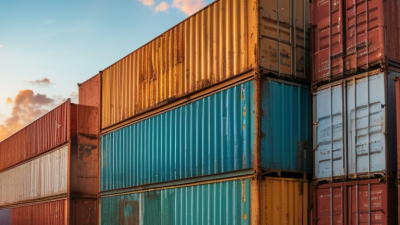
Why Is Sea Can Storage Important for Global Buyers?
For global buyers, sea can storage is more than a place to park shipping containers. It supports cargo protection, inventory control, and smoother international distribution. A well-managed storage yard keeps containers on stable ground, separates loaded units from empty equipment, and records every movement. These details matter when goods travel through several ports, warehouses, and customs checkpoints.
In practice, buyers may notice the value through small signs. A clean container floor reduces moisture concerns. Clear labels help workers find a unit before a vessel cut-off. Drainage, lighting, security controls, and regular inspections also reduce avoidable handling risks. For temperature-sensitive goods, reliable power connections and equipment checks are essential. Storage providers should explain their inspection routines, operating standards, and responsibility boundaries. Independent certifications can help, but they should not replace direct questions or site evaluation.
Sea can storage also improves purchasing decisions. Buyers can position inventory closer to regional markets without immediately committing to additional warehouse space. This may shorten delivery routes and support more flexible supply planning. However, storage fees, demurrage rules, weather exposure, and local handling charges can change the real cost. A low daily rate is not always the lowest total cost.
No system is flawless. Records may contain errors, and weather can disrupt schedules. That is why dependable providers use documented procedures, visible tracking, and practical contingency plans. Buyers should review service terms carefully, inspect the facility when possible, and match storage conditions with cargo requirements. Reliable storage is not simply convenient; it is a measurable part of international supply-chain performance.
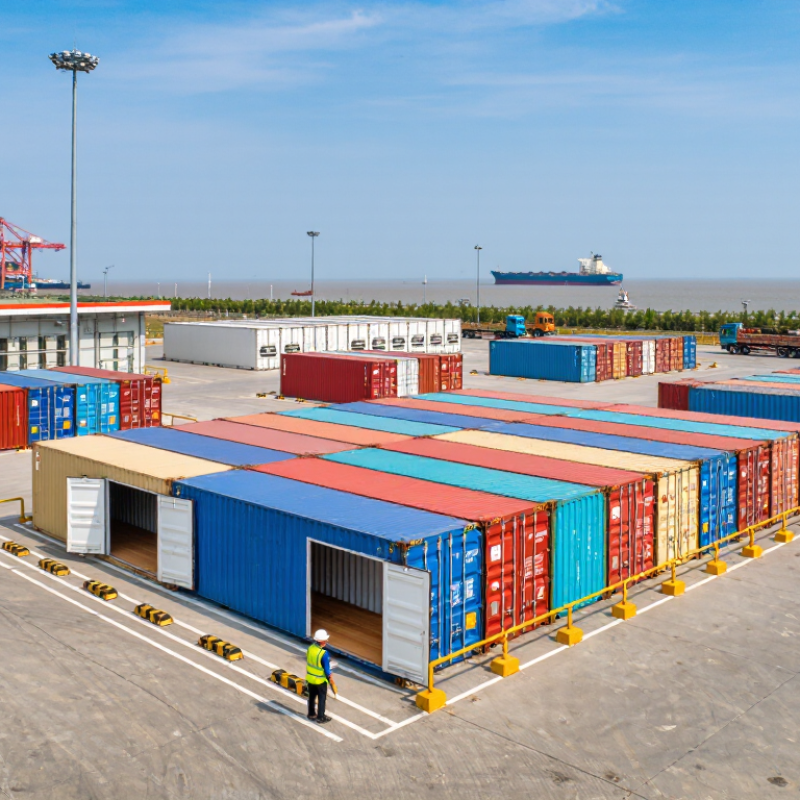
What Sea Can Storage Means in Global Trade
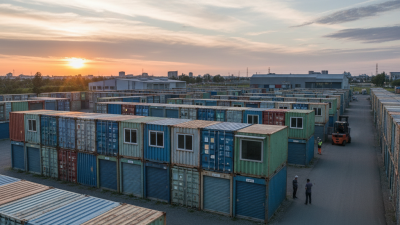
Sea can storage means using shipping containers as temporary, movable storage units in global trade. A buyer may receive goods at a port, inland depot, warehouse, or construction site. The container protects packed cargo from rain, dust, repeated handling, and short transport delays. It also keeps one shipment together. That matters. Instead of unloading immediately, teams can hold goods until trucks, labor, or warehouse space becomes available. This flexibility supports importers managing seasonal orders, uneven demand, and changing delivery schedules.
Good storage is more than placing a container on open ground. Operators should check the floor, drainage, door seals, locks, ventilation, and container condition. Wooden pallets should stay above damp surfaces, while sensitive goods need moisture control and clear inspection records. A simple log can record arrival time, seal condition, temperature readings, and access history. These details improve traceability when cartons arrive wet, damaged, or incomplete. Still, containers are not perfect warehouses. Heat can build quickly inside steel walls. I have seen planning assumptions fail when teams ignored airflow and local weather. That mistake deserves review.
Tips:
- Match storage time to cargo sensitivity.
- Use desiccants or ventilation only when suitable for the goods.
- Keep the container level and inspect it after heavy rain.
- Confirm local handling rules, insurance terms, and access controls before arrival.
- Photograph the seal and cargo condition at every handover.
- Small checks prevent expensive disputes.
How Sea Can Storage Supports International Supply Chains
Sea can storage helps international buyers keep goods moving when schedules change. A sea can is a shipping container used for transport and temporary storage. It can hold inventory near a port, warehouse, or inland distribution point. This reduces unnecessary handling between ocean arrival and local delivery. It also protects packaged goods from rain, dust, and frequent movement.
International supply chains rarely run perfectly. Vessels may arrive late, warehouses may reach capacity, or inland transport may become unavailable. Stored sea cans create a practical buffer during these disruptions. Buyers can release products in smaller batches instead of moving everything at once. This supports better inventory control and reduces pressure on receiving teams. However, storage is not automatically safe. Moisture, heat, poor ventilation, and incorrect loading can damage products over time. Regular inspections remain necessary.
Tips: Choose a secure, well-drained storage area with clear access for handling equipment. Record container numbers, seal details, arrival dates, and inspection results. Place sensitive goods on pallets, leaving space for air circulation. Check condensation after temperature changes. Keep emergency contact information nearby. Simple records matter. One overlooked detail can delay an entire delivery. Storage plans should also match cargo requirements, local procedures, and the expected release schedule.
Factors to Consider When Choosing Sea Can Storage
Why Is Sea Can Storage Important for Global Buyers?
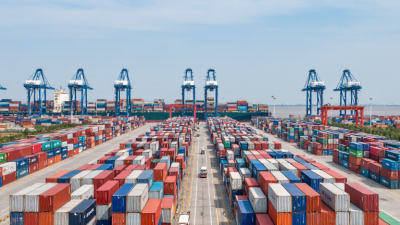
Choosing sea can storage requires more than comparing monthly prices. UNCTAD’s Review of Maritime Transport 2024 reported that global maritime trade grew 2.4% in 2023. That growth increases pressure on ports, warehouses, and inland storage yards. A suitable sea can protects cargo during delays, seasonal demand, and changing delivery schedules. It also gives buyers more control over inventory movement.
Location matters greatly.
Choose a yard near major ports, highways, or rail terminals. Shorter transfers can reduce handling risks and transport costs. Check whether trucks can reach the container easily. A narrow entrance may create expensive delays. Drainage is equally important. Water pooling around the doors can damage cartons, machinery, and packaging. Ventilation helps control condensation, although it cannot solve every moisture problem.
Inspect the container before signing.
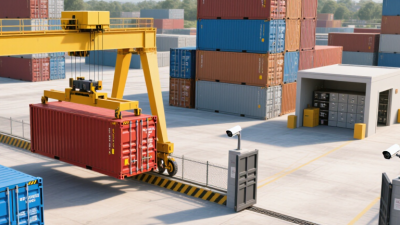
Look for holes, damaged door seals, rust, odors, and uneven floors. ISO 668 provides internationally recognized container dimensions, but internal conditions still vary. Security should include lighting, access records, fencing, and camera coverage. Ask about pest control and emergency procedures. The World Bank’s Logistics Performance Index 2023 evaluates customs, infrastructure, tracking, and delivery timeliness, showing why storage must fit the wider logistics network. A cheap yard may perform poorly in these areas. That is easy to overlook.
Calculate the full cost, including loading, unloading, insurance, cleaning, transport, and access fees.
Leave room for inspection. Storage decisions are rarely perfect. Recheck them when cargo volume, weather, or delivery routes change.
Common Applications of Sea Can Storage Across Industries
Why Is Sea Can Storage Important for Global Buyers?
Common Applications of Sea Can Storage Across Industries
Sea can storage gives global buyers a practical way to protect goods, tools, and seasonal equipment. Construction companies often store cement tools, pipes, safety equipment, and compact machinery near active sites. Retailers use containers for overflow inventory during busy seasons or warehouse changes. A clean, dry unit can reduce handling damage and improve stock control. Space is the advantage.
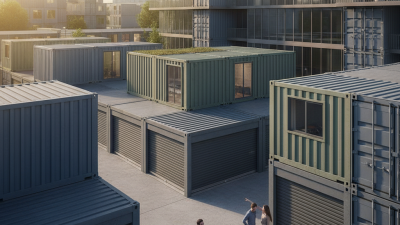
Farmers commonly store irrigation parts, packaged supplies, and maintenance tools inside modified containers. Ventilation and moisture control remain important, especially in humid coastal regions. Manufacturers may use sea cans as temporary workshops, spare-parts rooms, or secure areas for production materials. Event organizers also rely on them for staging equipment, seating, lighting, and display structures. Their movable design supports short projects, although moving a full container requires careful planning.
Tips: Inspect the floor, roof, doors, and locking bars before delivery. Ask for internal dimensions, loading limits, and ventilation options. Use pallets to keep goods above the floor, and leave air gaps around stored items. For sensitive products, add temperature monitoring and inspect condensation regularly. Do not assume every used container is weatherproof. Small leaks can become expensive problems. Choose a location with stable ground, safe vehicle access, and enough clearance for opening the doors. Local storage and transport requirements should also be checked before installation.