What Is the Best Sea Container Storage for Global Buyers?
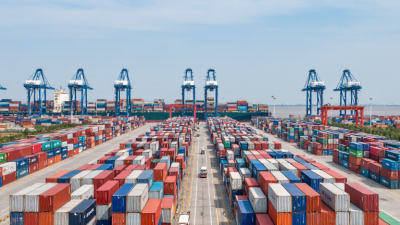
For global buyers, choosing sea container storage is more complex than comparing rental prices. A suitable container must protect goods from rain, salt air, condensation, theft, and repeated handling. Location matters too. A site near a working port may reduce inland transport time, while a cheaper rural yard may increase trucking costs and delays.
Dr. Jean-Paul Rodrigue, a respected transport geographer, states, “The container is the most important innovation in freight transportation.” His observation explains why container storage remains central to international trade. Yet the container alone does not guarantee safe storage. Buyers should examine steel condition, door seals, floor strength, ventilation, drainage, lighting, security controls, and inspection records. Small details matter. A worn gasket can allow moisture inside after one coastal storm.
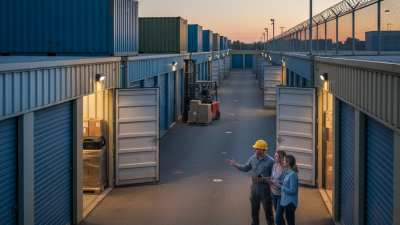
Reliable providers should explain their maintenance routines and insurance arrangements clearly. They should also offer practical evidence, such as recent inspection photographs, delivery timelines, and customer references. Experience often reveals problems that brochures hide. For example, a yard may look spacious but lack enough turning room for large trucks. That can create handling delays and unexpected charges.
No storage option is perfect. Buyers may also overlook local climate, seasonal congestion, or limited access hours. A careful comparison should balance protection, accessibility, capacity, documentation, and total cost. This guide examines those factors for importers, exporters, manufacturers, and distributors seeking dependable sea container storage across international supply chains.
Define Global Standards: ISO 668 Dimensions, TEU Capacity, and CSC Safety Rules
For global buyers, the best sea container storage begins with measurable standards, not attractive photos. UNCTAD’s Review of Maritime Transport 2024 recorded about 12.3 billion tons of seaborne trade in 2023. Standard dimensions help this immense network move cargo between ships, railways, trucks, and storage yards.
ISO 668 defines the basic external dimensions of intermodal containers. A standard 20-foot unit measures approximately 6.058 meters long, 2.438 meters wide, and 2.591 meters high. A standard 40-foot unit measures about 12.192 meters long, with the same width and height. One 20-foot container equals one TEU. A 40-foot container equals two TEU, although usable volume and payload are not identical. That distinction is easy to overlook. Storage planners should measure door clearance, corner fittings, floor strength, and handling space.
Safety requires more than visible steel. Under the International Convention for Safe Containers, a compliant unit needs a valid CSC safety approval plate and traceable inspection records. The International Maritime Organization identifies CSC inspections as essential for preventing structural failures during international transport. In practice, buyers should check roof condition, locking rods, twist-lock openings, and corrosion around the lower frame. A clean exterior can hide weakened flooring. I have seen specifications appear perfect until a simple moisture test revealed leakage. ISO compliance supports interchangeability, but it does not guarantee every container suits every cargo or climate. Source references: UNCTAD Review of Maritime Transport 2024; ISO 668; International Maritime Organization, International Convention for Safe Containers.
Compare Capacity: 20-Foot (33 m³) vs 40-Foot (67 m³) Containers
For global buyers, container choice starts with usable space, not advertised volume alone. A 20-foot container offers about 33 m³, while a 40-foot container provides roughly 67 m³. However, corner posts, wall curves, doors, and packaging reduce practical capacity.
Space matters.
A 20-foot unit suits compact, heavy cargo such as machinery parts, metal goods, or dense equipment. Its shorter floor limits oversized packing, but weight distribution is easier to control. A 40-foot unit gives nearly double the volume and works better for cartons, furniture, textiles, and lighter manufactured products. I have seen buyers choose the larger option too quickly. Empty air can become an expensive mistake.
Measure each carton, then map the loading pattern before booking. Leave room near the doors for safe unloading. Pallets may also create unused gaps, especially when their dimensions do not match the container floor. The 20-foot interior is commonly close to 5.9 meters long, while the 40-foot version is near 12 meters. Actual dimensions vary by container type and production standard, so confirm the supplier’s specification sheet. Volume is not the same as payload. A container can fill before reaching its weight limit, or reach its weight limit with unused space. That distinction matters. Check local transport limits, cargo securing requirements, moisture protection, and floor loading needs. My earlier estimates were too optimistic when I ignored pallet height. A simple loading diagram often reveals more than a catalog number.
Select the Right Type: Standard, 9'6" High-Cube, Reefer, or Open-Top
What Is the Best Sea Container Storage for Global Buyers?
Select the Right Type: Standard, 9'6" High-Cube, Reefer, or Open-Top
Choosing sea container storage starts with the cargo, not the lowest quote. A standard container usually measures about 8'6" high. It suits cartons, machinery, furniture, and general goods with moderate height requirements. Check the floor condition, door seals, locking bars, and corner posts before loading. Small defects can become expensive delays.
A 9'6" high-cube container offers extra vertical space. This helps with tall equipment, bulky packaging, and better stacking clearance. However, the added height may create transport limits at certain sites. Measure the route, doorway, and lifting area first. A rough measurement is not enough.
Reefers serve temperature-sensitive cargo, such as approved food or pharmaceutical shipments. They require reliable power, accurate temperature settings, and regular maintenance records. They also reduce internal space because of the cooling unit. Open-top containers work well for tall or crane-loaded cargo. Their removable roof makes loading easier, but the cargo needs careful weather protection and secure covering. Not perfect in heavy rain.
During inspection, buyers should review the container’s structural condition, certification plate, ventilation, and previous-use records. A clean interior may still hide moisture damage beneath the floor. Ask for current photos and a clear inspection report. Storage costs, delivery access, electricity, and local handling rules should also be included in the calculation.
What Is the Best Sea Container Storage for Global Buyers?
Typical internal volume of common 40-foot container types
The 40' 9'6" High-Cube container normally provides the greatest internal volume and is a strong choice for lightweight, high-volume cargo. A Standard container suits general-purpose storage, while a Reefer is designed for temperature-sensitive goods and typically offers less usable volume because of insulation and cooling equipment. An Open-Top container is useful for tall or crane-loaded cargo, although its internal volume is usually lower than that of a High-Cube.
Values are typical nominal internal volumes in cubic metres; actual specifications vary by manufacturer, door arrangement, insulation thickness, and container condition.
Assess Sites: 30.48-Ton Gross Mass, Ground Loads, Drainage, and Corrosion
For global buyers, the best sea-container storage site starts with load discipline, not a glossy yard map.
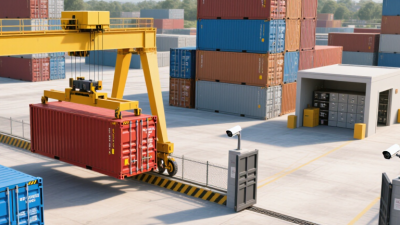
ISO 668 identifies 30,480 kg as the maximum gross mass for common freight containers. That mass includes cargo, pallets, timber, and the container itself. A loaded unit can press heavily through four corner fittings. Therefore, pavement design must address concentrated reactions, not only average tonnes per square metre. I would request stamped calculations, subgrade testing, and settlement records. The World Bank’s 2023 Logistics Performance Index links dependable infrastructure with stronger logistics performance. However, an excellent score cannot replace a site-specific engineering check. Soil surprises remain common.
Keep containers on sound supports, with clear separation from standing water.
A modest crossfall, open drains, and unobstructed channels help rain leave the storage bay. Do not let timber blocks sit in mud; they retain moisture against bottom rails. Inspect corner posts, door sills, roof seams, and welds after storms. Surface rust is manageable, but deep pitting can weaken load paths. The NACE IMPACT study estimated global corrosion costs at US$2.5 trillion, equal to about 3.4% of global GDP. That figure is broad, yet it makes neglect expensive. Salt air, fertilizer dust, and trapped condensation accelerate coating failure. Cleaning schedules should reflect local exposure, not a generic calendar. I would photograph damage with dates and container positions. Small omissions happen. They should trigger review, not quiet acceptance.
Confirm Compliance: CSC Plates, 30-Month Exams, and Export Readiness
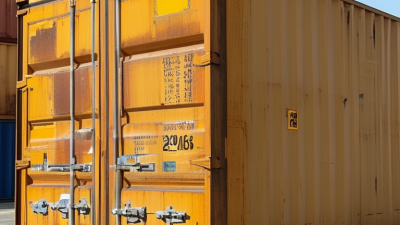
For global buyers, sea container storage begins with one metal plate: the CSC safety approval plate. It should be permanently fixed, readable, and securely attached to the container door. Check the approval number, maximum gross weight, stacking load, and racking test value. These figures must match the container’s inspection records and transport documents.
A valid CSC plate is not enough by itself. Under the Convention for Safe Containers, periodic examinations generally occur within 30 months after the previous examination. Some containers follow an approved continuous examination program, so buyers should verify the applicable inspection method. Inspect the corner posts, roof rails, door locking bars, floor, and underframe. Look for severe corrosion, bent fittings, cracked welds, or repaired damage. Small defects can become expensive delays.
Export readiness also depends on practical details. Doors should close evenly and seal against daylight. The floor must remain safe for intended cargo, with no strong chemical odor or loose boards. Confirm the tare weight, payload, dimensions, and inspection date before booking transport. Request clear photographs of the CSC plate and all corners. I would not rely on a clean exterior alone; hidden frame damage is easy to miss. A careful independent inspection may cost more, but a rejected container can cost far more.